
Community and Civic Engagement
Providing Support to Constituents:
I entered public office with a deep passion for serving constituents, and that commitment has remained central to my work this term. It’s been a privilege to continue providing vital connections between residents and city services. Here’s a snapshot of the ways my office has assisted residents:
Legal Services & Housing: Helping residents access legal services, address housing issues, and write letters of support to the Board of Zoning.
Small Business & Immigration: Assisting with small business concerns, immigration-related issues, and social security matters.
Health & Housing: Supporting residents with pest control, housing searches, job readiness, and navigating street signage concerns.
Social Services: Assisting with applications for Inclusionary Housing, unemployment insurance, and visitor parking at CHA senior buildings.
Connecting with Community through Events and Celebrations:
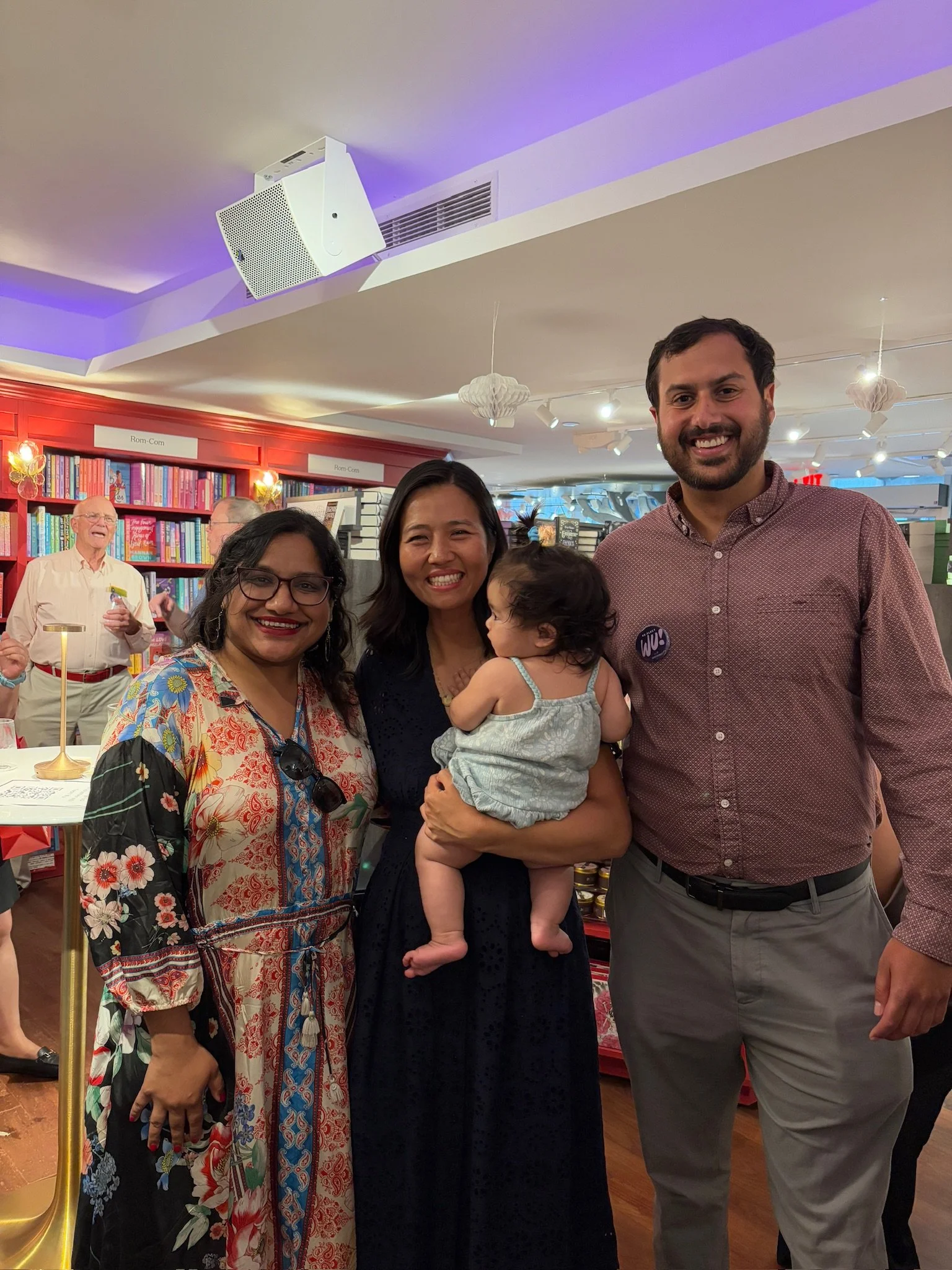
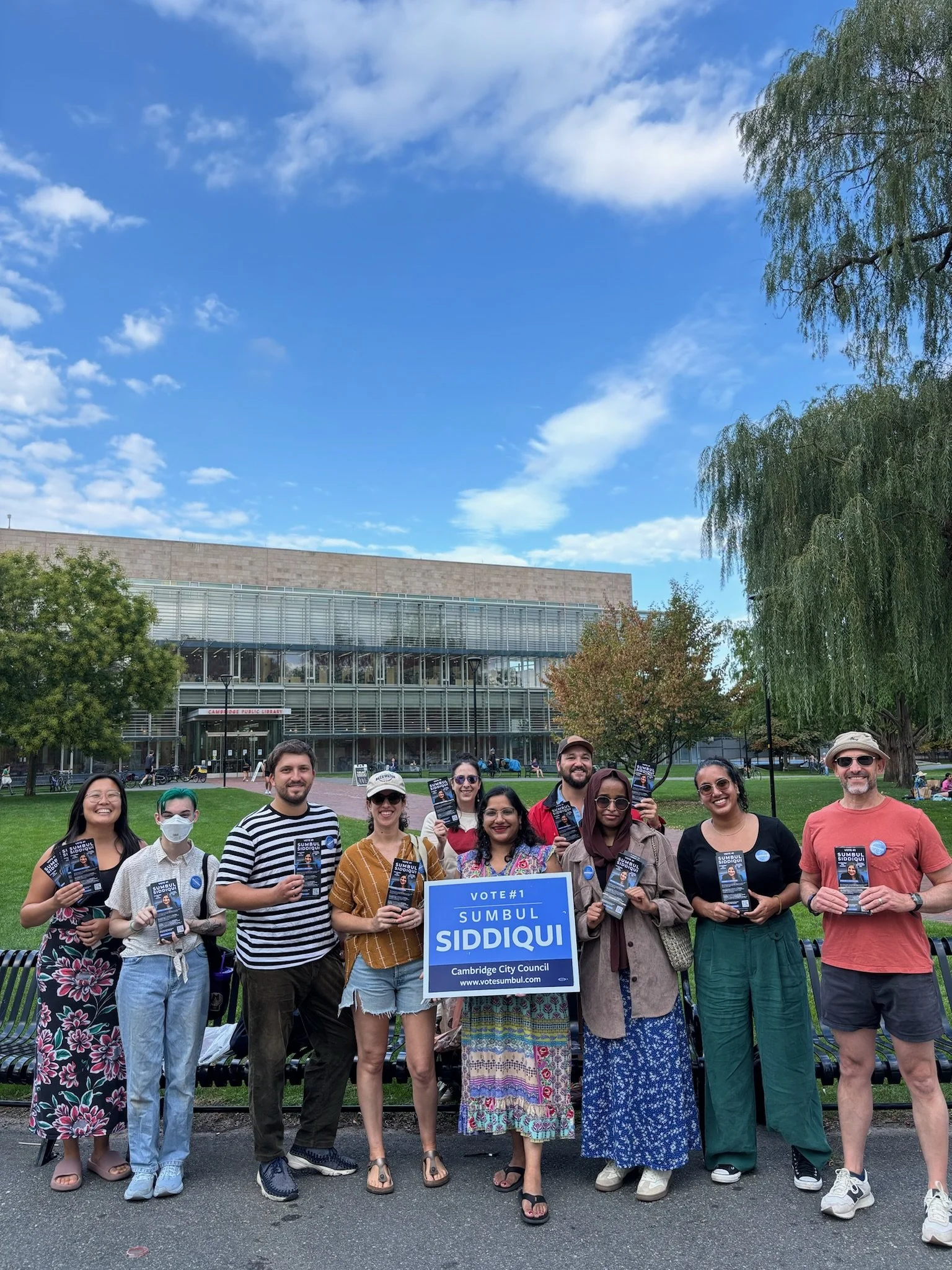
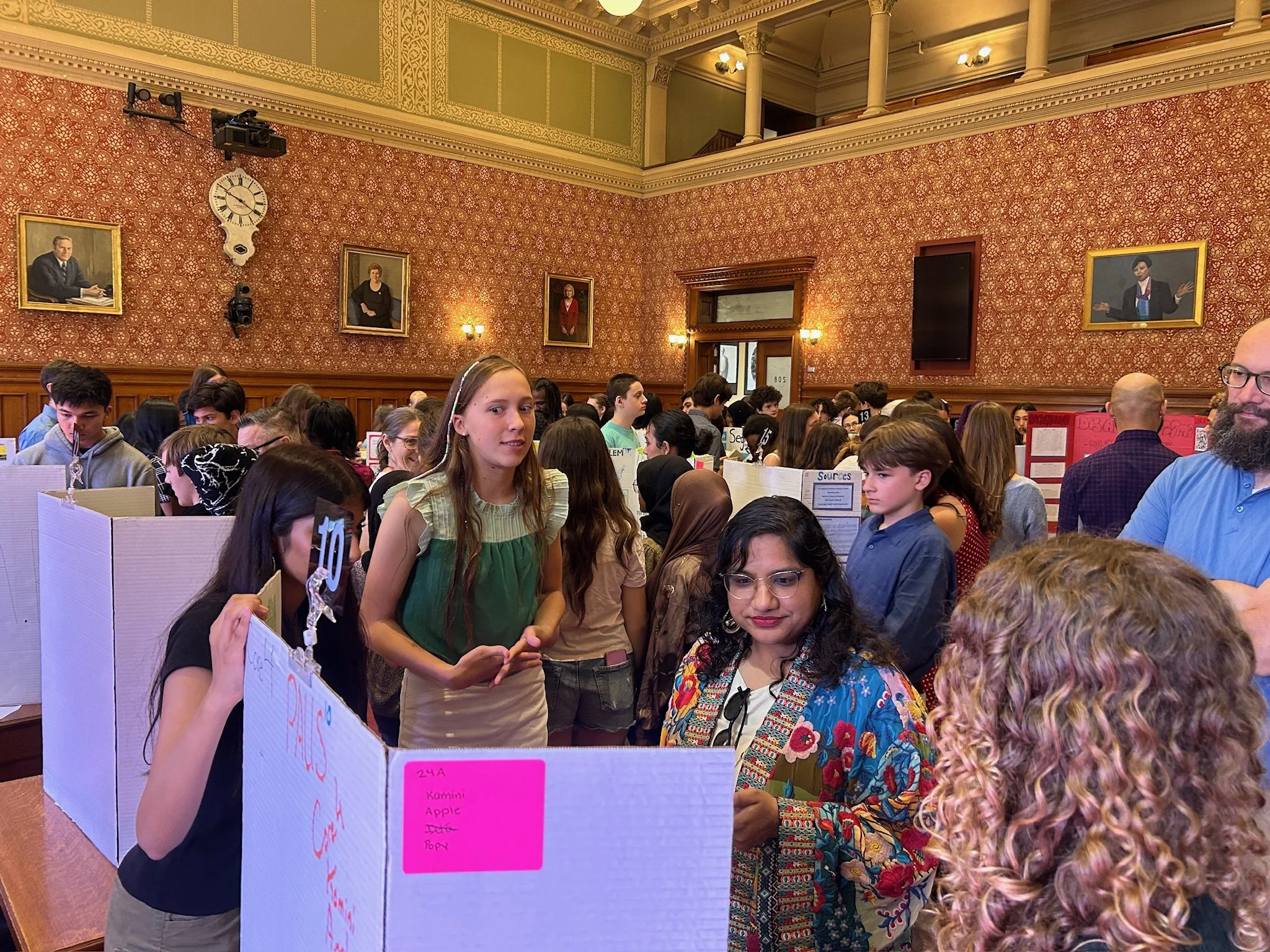
Community celebrations and placemaking remains one of the most fulfilling parts of my role. This term, I was proud to maintain some of these cherished events:
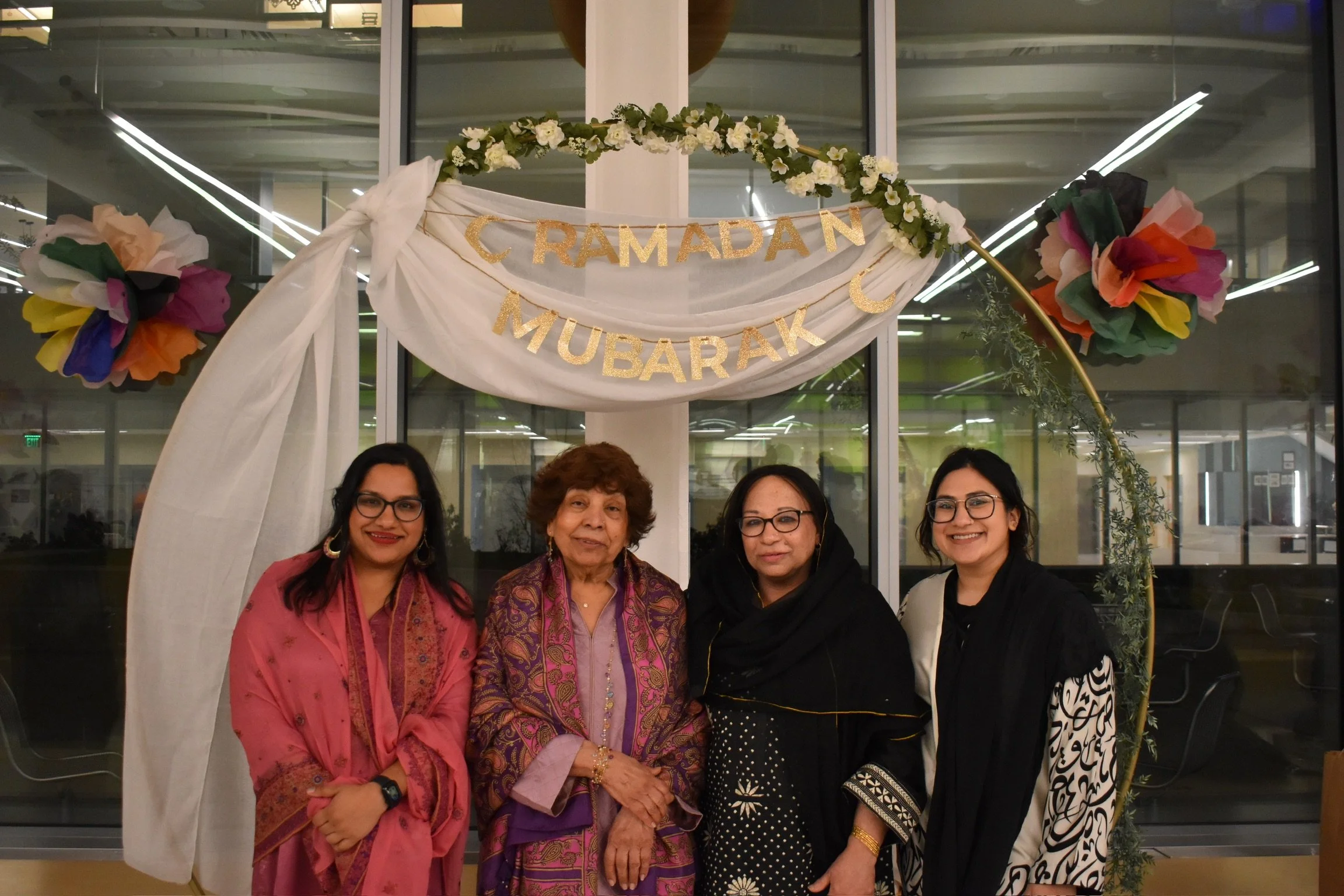
Community Iftar: My office hosted two Cambridge Community Iftars at Cambridge Street Upper School in collaboration with the Mayor’s office, the NAACP Cambridge Branch, Cambridge Public Schools, and the Islamic Society of Boston. Hundreds have come each year to this celebration!
Bollywood Night: In June 2024, we danced the night away at Bollywood Night, with Swathi Jaisankar’s Team and Triveni School of Dance showcasing South Asian dance. Thanks to Starlight Square, the Central Square Business Association, and the Mayor's office for co-hosting!
Monthly Coffee Hours: Throughout the term I held coffee hours at various local coffee shops across the city. These informal gatherings gave me the opportunity to hear directly from residents, listen to any concerns, and connect over coffee. Your input is invaluable as I continue to work on your behalf.




Pushing on Policy Priorities
Creating affordable housing through zoning reform and city programs:
As Co-Chair of the Housing Committee for a second term, I’ve continued to address the housing crisis in Cambridge through both systematic reform and targeted investments.
One of the most significant actions we’ve taken is ending exclusionary zoning. Officially passed in February 2025, the Multifamily Housing Ordinance allows multifamily housing to be built citywide, with the intention of increasing the housing supply and addressing the housing shortage that prevents too many residents from living in Cambridge.
While ending exclusionary zoning is a critical step, it is only one piece of the solution. As we approach the Ordinance’s first anniversary in February 2026, we have an important responsibility to monitor proposed developments. I remain committed to ensuring that new development aligns with Envision Cambridge goals, prioritizes affordability, and protects open spaces and historic landmarks.
This term, I also supported zoning updates for key squares and corridors, most recently along Massachusetts Avenue and Cambridge Street, to allow for thoughtful, transit-oriented growth in areas already well served by infrastructure. We ordained the petition for Massachusetts Avenue and are nearing a final vote on Cambridge Street. In the new term, this work will continue with a focus on Central Square.
In addition, I worked to strengthen the City’s affordable housing programs, including advocating for municipally funded housing vouchers. This year, the City began funding vouchers for mixed-status families who lost HUD support due to actions taken by the Trump administration. I also pushed for strategies to improve the experience of residents living in inclusionary housing units, conduct outreach to Cambridge tenants eligible to seal eviction records under new state law, and conduct studies of our incentive and inclusionary zoning policies.
Another focus of my work has been elevating residents’ concerns about Cambridge’s affordable homeownership programs, particularly HomeBridge, including resale formulas and inheritance policies that limited wealth-building opportunities. After extensive community input and collaboration with the Affordable Housing Trust, reforms were adopted to allow modest annual resale increases (2.5%), credit for capital improvements, and greater flexibility for homeowners to pass homes to family members and heirs. While these changes represent progress, I remain focused on addressing ongoing concerns around mobility and long-term financial security.
I have also raised concerns about the long-term sustainability of past affordable housing investments. For example, the Print Shop condominiums, a 24-unit affordable building in the Port neighborhood, have faced significant maintenance challenges – including leaks, elevator shutdowns, and deteriorating infrastructure – despite being only 15 years old. In response, the Affordable Housing Trust allocated $3 million for repairs. As rising costs continue to impact affordability, I remain committed to advocating for residents.
Finally, I worked with colleagues to begin conversations around social housing, and following a policy order passed by the City Council in September 2025, I led deeper discussions through the Housing Committee in December. The clear takeaway was that Cambridge needs additional tools – particularly a development model for permanently affordable, democratically governed, mixed-income housing – and that reaching this solution will require continued policy development and community engagement in the new term.
Supporting Families Through City Programs, Investments, and Local Actions:
As Mayor, I had the privilege of piloting Cambridge RISE, our local guaranteed income program. That pilot was later scaled into Rise Up Cambridge, the nation’s first non-lottery guaranteed income program. Funded with $22 million in ARPA dollars, Rise Up provided $500 per month to nearly 2,000 households with children earning under 200% of the Federal Poverty Level. Payments concluded in early 2025.
Released this term, research from the Cambridge RISE pilot, conducted by the Center for Guaranteed Income Research at the University of Pennsylvania, showed strong outcomes, including improved financial stability, higher employment rates, and better educational outcomes for children. We also partnered with MDRC, an independent nonprofit research organization, to conduct a longer-term study of Rise Up Cambridge. That report, expected in early 2026, will further document families’ experiences and contribute to national research on cash assistance.
Last September, I introduced a policy order – unanimously passed by the City Council – urging City Manager Yi-An Huang to explore funding options for a successor to Rise Up Cambridge. While my office began examining next steps including benefit protections, growing economic uncertainty and shifting federal conditions under the Trump administration have created new challenges and additional areas of priority.
Through one of the most significant actions we’ve taken in response to these challenges, we created and infused $5 million to a Federal Grant Stabilization Fund, which was activated to cover SNAP benefits that lapsed during the November 2025 federal government shutdown. With additional cuts on the horizon, we will need to remain responsive – setting aside stabilization funds while continuing long-term planning for the future of guaranteed income with the new Council. I look forward to working with the City Manager’s office and our program partners to ensure Cambridge continues to support families in need.
Along the same lines, we leveraged other local policy tools to mitigate the impacts of federal actions. We updated the Welcoming Cities Ordinance to ensure that Cambridge Police do not assist ICE activities in our city. Additionally, we pushed to terminate our automatic license plate reader contract with FLOCK Safety, a company that sells surveillance technology to municipalities and has a history of misusing data in support of federal attacks on immigrants, reproductive rights, and more. As we enter the new term, it will be important to continue responding to the shifting political landscape and doing what we can at the local level to ensure that our community remains resilient and supported.
Exploring structural change through the Charter Review Committee:
The City of Cambridge’s Charter, originally adopted in 1940, governs the structure and powers of our local government. To ensure it continues to meet the needs of our community, the Charter is reviewed every ten years.
Throughout 2023, the Charter Review Committee, made up of 15 residents and convened by the Council, met to conduct this important review. As Mayor, I closely followed their work, which culminated in a comprehensive set of recommendations. Following the committee’s report, I was asked to co-chair the City Council’s Special Committee on Charter Review to help advance this work.
After a series of Council discussions, we filed a home rule petition in Spring 2025 to update the Charter. The changes were approved by the State Legislature and Governor Healey and ultimately ratified by Cambridge voters through a ballot vote. The updated Charter takes effect on January 1, 2026. You can view the approved Charter online, with a summary of key changes below:
Modern, Accessible Language: Rewrites the Charter in clear, plain, gender-neutral language with a modern structure, making it easier for residents to understand how city government works.
Regular Review: Maintains the ten-year Charter review cycle and adds regular review of the City’s ordinances.
Stronger Oversight and Accountability: Codifies annual performance reviews of the City Manager, adds review processes for the City Clerk and City Auditor, expands Council oversight of boards and commissions, and formalizes the policy order process.
Clearer Budget Process: Requires earlier public meetings before the end of the calendar year, giving the Council and residents more opportunity to influence the budget.
Governance Clarifications: Retains the Council’s authority to select the Mayor and confirms the Mayor’s role as a voting member of the School Committee, with the Committee electing its own chair.
Modernized Elections Administration: Preserves ranked-choice voting while updating elections language, increasing flexibility for modern tabulation methods, and codifying early voting, vote-by-mail, and accessible voting practices.
While these changes represent meaningful progress, they reflect only a portion of the recommendations made by the Charter Review Committee. The Council did not take up the committee’s report until nearly a year after its submission, leaving insufficient time for in-depth discussion of all proposed reforms.
As a result, several important issues remain for future consideration, including moving municipal elections to even-numbered years to increase voter turnout, and reconsidering how the Mayor is selected, rather than continuing the current process in which the nine councillors vote immediately after inauguration.
The Charter update was not a perfect process – but progress often comes through incremental change. This reform represents a meaningful step forward, and I remain committed to continuing the work of strengthening our local democracy in the next term.
Leading in Cambridge and Beyond
This term has been a remarkable journey of both local and national engagement, as I had the opportunity to share our work in Cambridge and learn from leaders across the globe. I participated in several key speaking engagements and leadership events that allowed me to highlight our city’s initiatives and connect with others working towards similar goals.
Sharing Cambridge’s Innovations
I presented at the EMPath Conference at Boston University, where I shared the findings of our guaranteed income (GI) pilot. During my presentation, I spoke about the personal stories from participants and demonstrated the tangible impact that guaranteed income has had on families' lives.
I had the privilege of speaking virtually at a conference in Ottawa, Canada’s capital. This presentation focused on the successes of Cambridge’s guaranteed income programs and how these efforts could be adapted in other cities to tackle economic inequality.
I was also keynote speaker at the Basic Income Conference in San Francisco, where I shared the results from our guaranteed income pilot and the expanded Rise Up Cambridge program, one of the largest of its kind in the country. It was an incredible opportunity to connect with other leaders and learn from their experiences in implementing guaranteed income in their communities.
More recently, in January 2025, I traveled to Washington, D.C. to take part in the National League of Cities (NLC) "The Moment for Housing is NOW" Summit, where I sat down with leaders from across the country to discuss key steps to tackle our housing challenges and discussing what we were doing in Cambridge.
Local Leadership and Civic Engagement
Locally, I joined the Choice, Autonomy, Security, Hope Massachusetts (CASH MA) Coalition, a coalition of policymakers, philanthropists, nonprofit and community leaders with a collective vision of a commonwealth where the economic system, policy strategies and market provide all people the resources necessary to meet their needs and have access to thrive.
I was honored to speak to students at Harvard University’s Phillips Brooks House Association about the importance of tenant’s right to counsel in eviction court cases. Alongside Professor Esme Caramello from Harvard Law School, we discussed the legal rights of tenants and the importance of equitable access to justice for all.
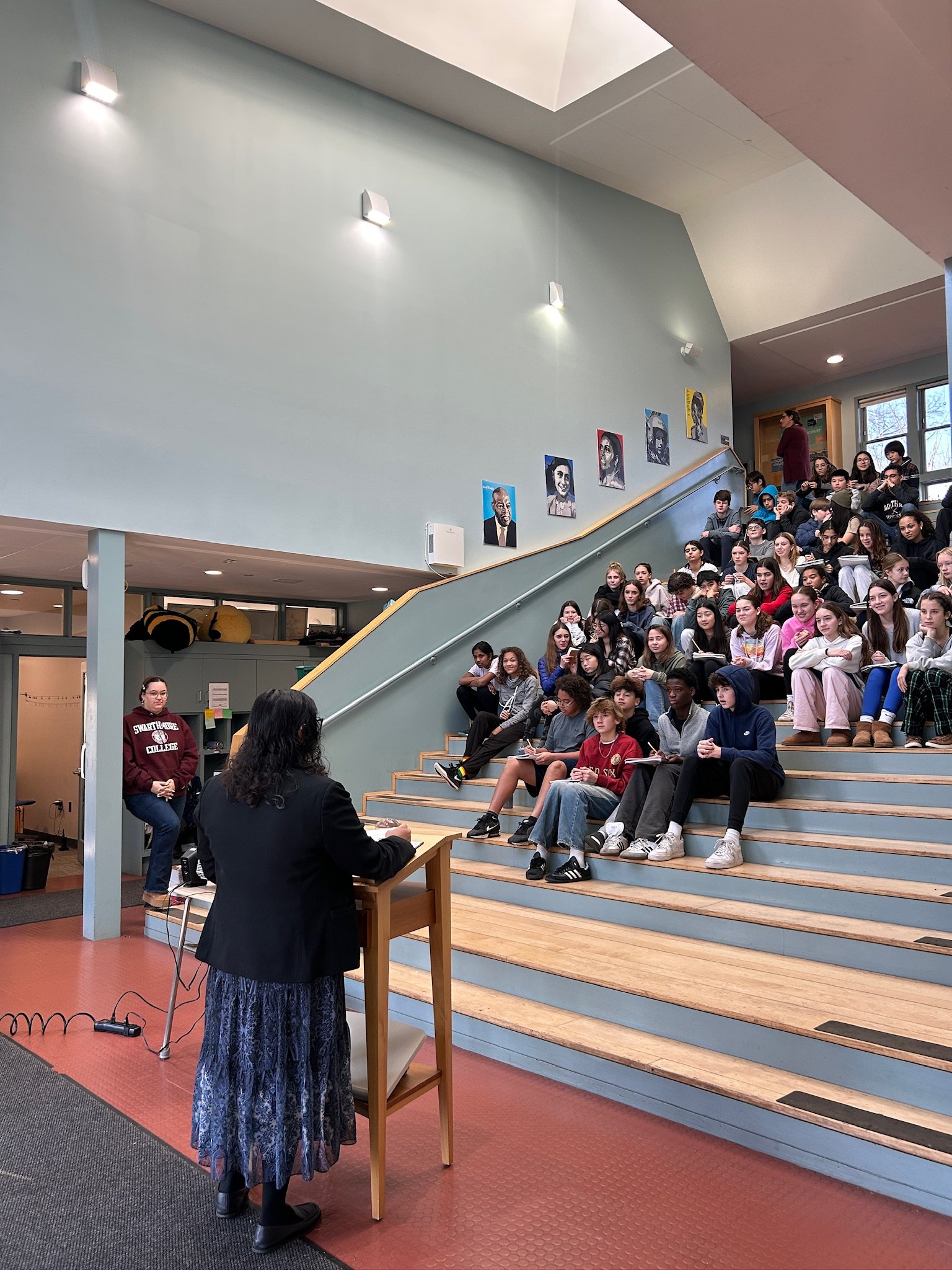
I also had the opportunity to be a guest lecturer at Harvard Kennedy School’s “From Harvard Square to the Oval Office” program, where I spoke about my experiences running for office as a South Asian woman. Additionally, I engaged with undergraduates at the Institute of Politics about the significance of civic engagement and how young people can play a key role in shaping our democracy.
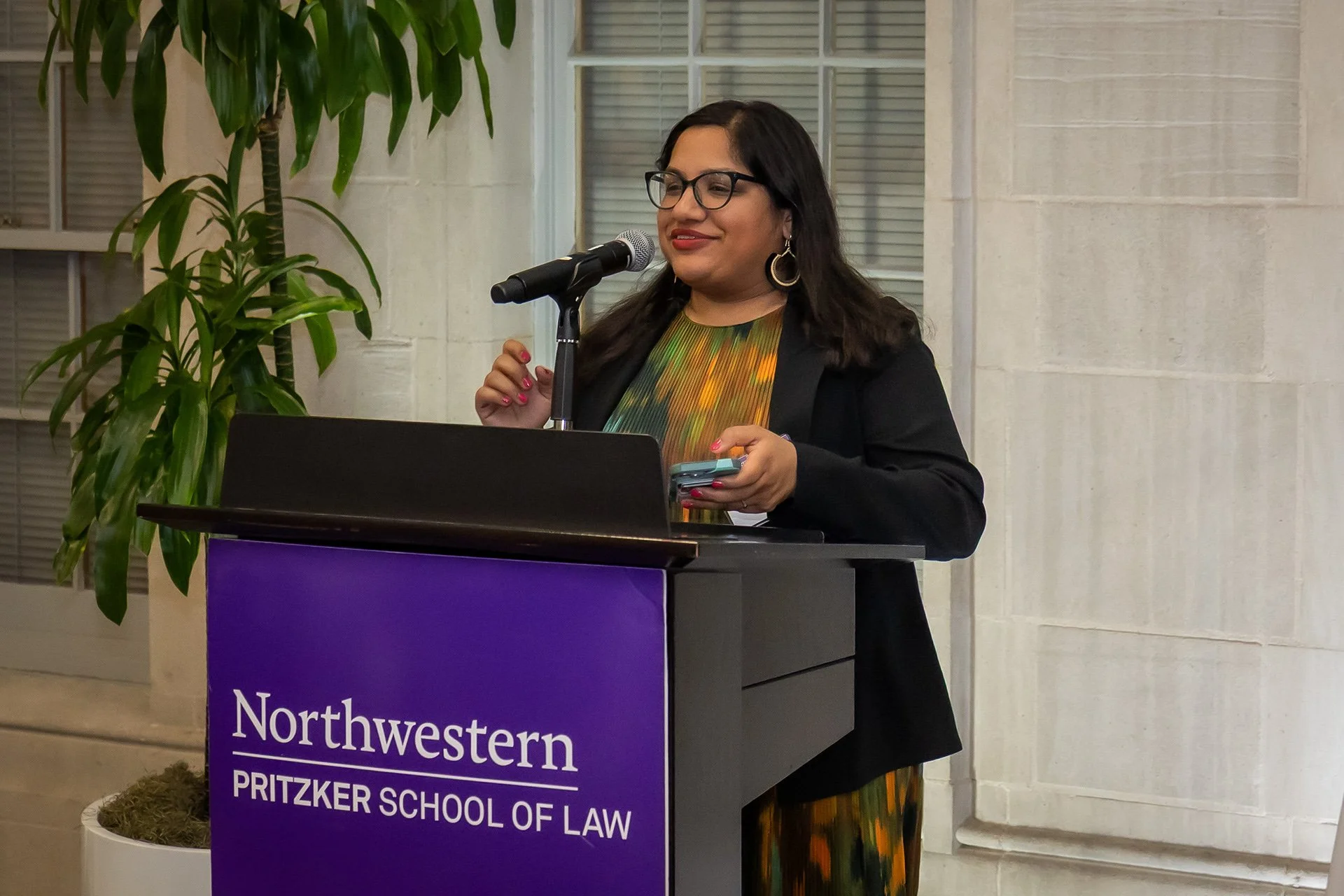
I was also honored to serve as the keynote speaker for the MCLE 23rd Annual Municipal Law Conference, where I spoke to attorneys from across Massachusetts about how we leverage legal tools and community engagement processes here in Cambridge to advance equity-driven local policy.
Recognizing Impact and Forging Global Connections
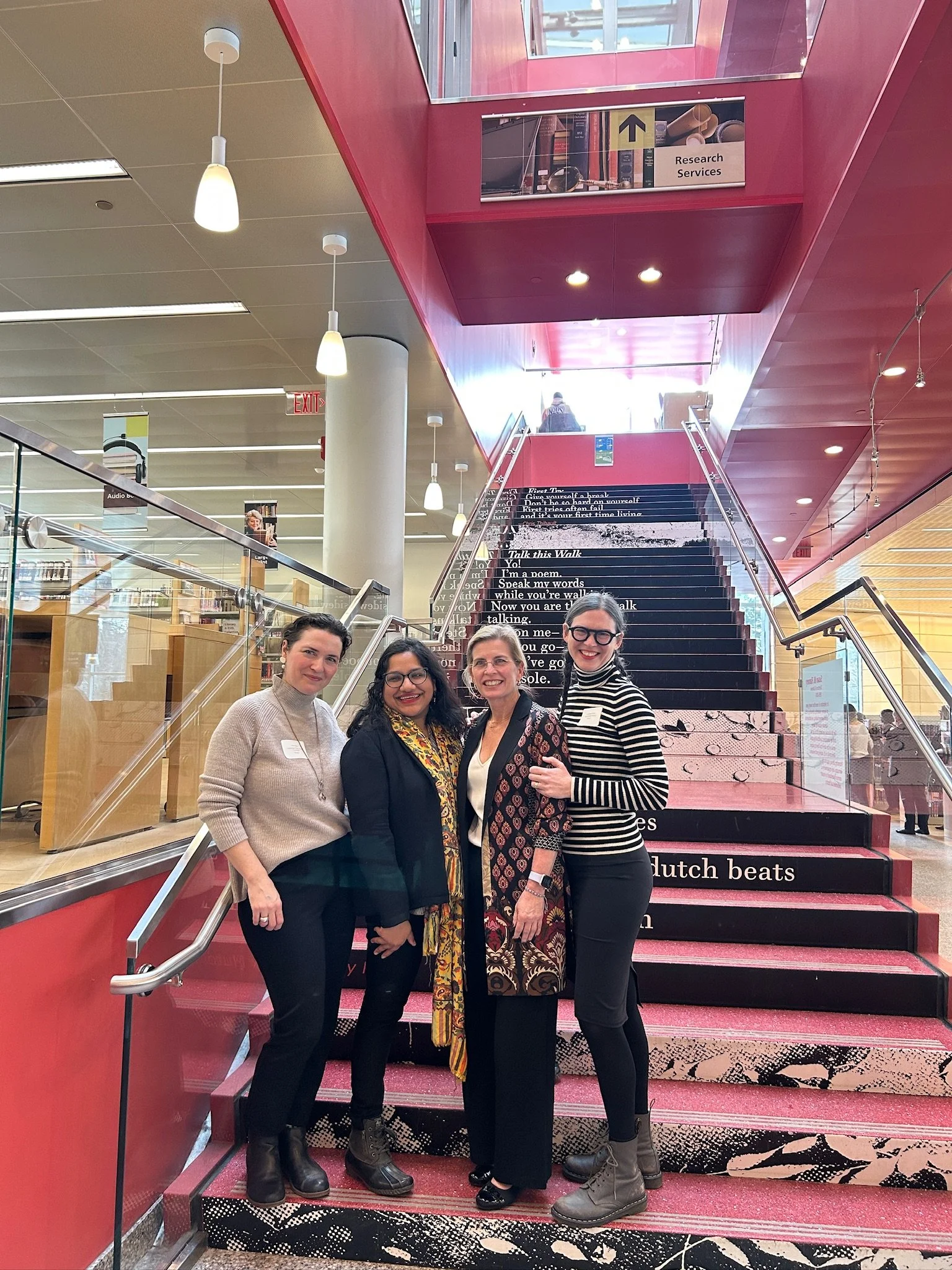
In March, I had the privilege of once again attending the NLC Congressional City Conference in Washington, D.C., with my City Council colleagues and the Cambridge Youth Council. This event provided an invaluable opportunity to learn from other cities and explore innovative policies being implemented nationwide. I was reminded of how far we’ve come since attending my first conference as a CRLS student.
While I couldn’t attend the NLC’s Centennial City Summit in Tampa in November 2024 due to illness, I was deeply honored to be recognized at this event as an inaugural recipient of the NLC Centennial Under 40 Impact Award. This award celebrates young leaders shaping the future of local governance through impactful initiatives and public service.
“These incredible young leaders embody the spirit of innovation and dedication that defines the National League of Cities. Their work is not only inspiring but also vital to addressing the challenges and opportunities facing our cities today. As NLC enters its second century, it is leaders like these that will guide the next 100 years of growth for both NLC and our country.”
I also had the opportunity to speak with students from Lead for Taiwan and UBI Taiwan about Universal Basic Income (UBI). We exchanged ideas on how UBI is being implemented in both Taiwan and Boston to address economic disparities.
Additionally, my colleagues and I connected with City Councillors from Austin, TX to discuss their efforts around zoning reforms and how they are addressing housing challenges. The conversation was a valuable exchange of ideas on how cities can work towards solving the housing crisis and promoting affordability.


Other Term Highlights
In 2022, as Mayor, I established the Universal Pre-K Ad-Hoc Committee in partnership with the Office of Early Childhood Education to advance a long-anticipated initiative: providing free school-day, school-year preschool to every 4-year-old and some 3-year-olds living in Cambridge. This past term marked the beginning of the program, officially known as the Cambridge Preschool Program. After years of discussion and planning, it was truly a highlight to see this important initiative come to fruition and begin to serve families across our city. This program represents a significant investment in the future of our youth and the community. Looking forward we have policy decisions to make to continue to shape and expand this program in a way that centers equity and a healthy ecosystem for our youngest community members.
The City also continued to expand access to afterschool programming through the Department of Human Service Programs (DHSP). For the 2025–26 school year, placements increased to over 1,600 seats, with 90% of applicants receiving an offer and more than 80% receiving their first-choice program. With increased participation from priority groups, this expansion has continued to advance racial equity and diversity. Ultimately, we want to see this expand so that everyone who needs a seat is able to get one and with the recently finalized Out of School Time (OST) Expansion Study Report, we have a roadmap to pursuing this effort in the new term.
We celebrated important milestones in affordable housing and economic mobility in Cambridge. This term, construction was completed on the first two projects approved under the Affordable Housing Overlay. These projects at 116 Norfolk Street and 52 New Street will provide 62 studio apartments and 106 additional affordable rental homes (including 22 one-bedroom, 62 two-bedroom, and 22 three-bedroom apartments) respectively. The Affordable Housing Overlay, which we worked on for many years to advance, was one of the key initiatives I championed as Co-Chair of the Housing Committee during my first term, and it was rewarding to see these projects come to fruition. I was also thrilled to attend the ribbon cutting for Just A Start’s Economic Mobility Hub, a 70,000-square-foot mixed-use development that brings together affordable housing, an education and job training center, and pre-K programming to support long-term economic mobility.
Another highlight was the launch of Refurbished Bikes for Cambridge Residents, a program my office helped advance last term. In partnership with the City’s Community Development Department (CDD) and Cambridge Bike Give Back (CBGB), this program provides free refurbished bikes to income-eligible residents. It’s a small but meaningful step toward improving transportation access and sustainability in our community.
We also made meaningful progress on sustainability and climate action. After surpassing the state’s goal of reducing trash by 30% by 2020 through the Zero Waste Master Plan (ZWMP 1.0), we adopted the **Zero Waste Master Plan 2.0 (ZWMP 2.0) **this year, setting a new interim goal of reducing trash by 50% by 2030. As part of this work, I introduced a policy order urging expansion of the mattress recycling program to multi-unit residential buildings, beginning with affordable housing properties, in response to new state disposal requirements.
As part of my commitment to advancing sustainability and waste management in the city, I have been focusing on ensuring that our initiatives are both equitable and compatible with efforts to expand affordable housing. For example, in light of a ban on mattress disposal by the Massachusetts Department of Environmental Protection, I introduced a policy order urging the City Manager to work with the Department of Public Works (DPW) to expand the mattress recycling program to include multi-unit residential buildings, starting with affordable housing properties in our city.
Finally, after years of research, planning, and community engagement, and following our 2023 amendments to the Building Energy Use Disclosure Ordinance (BEUDO), Cambridge is preparing to implement new greenhouse gas reduction requirements for large buildings beginning January 1, 2026. These requirements are a key component of our Net Zero Action Plan and our roadmap to achieving net zero emissions by 2050. The Office of Sustainability is actively working with property owners to ensure a smooth and equitable rollout.
Looking Ahead
I first ran for City Council in 2017 to represent Cambridge – Muslims, people of color, communities that rely on the same social services I benefited from, and neighbors who share a deep commitment to equity, housing justice, sustainability, public safety, democracy, and diversity. The 2016 Muslim ban was a particularly defining moment for me. It made clear that local leadership matters, and that cities like Cambridge must stand up for our values when national leadership fails.
In some ways, the country we live in today looks painfully similar to the one that inspired me to run nearly a decade ago. But as I complete my fourth term and enter my fifth, I also reflect on how much progress we’ve made. Cambridge has launched two guaranteed income programs, expanded free preschool and afterschool so families have real peace of mind, advanced on key sustainability plans, and put more affordable housing into the pipeline – while continuing to explore new ways to increase housing access for future generations.
Looking ahead, I want us to go further. In the new term, I will push to expand democracy through continued Charter reforms, including proposals to broaden voting rights. I will ensure we fully implement and closely monitor the housing policies we’ve already passed, while also doing the hard work of developing new housing tools like social housing which could offer permanently affordable, mixed-income homes.
I also want to see a City Council that collaborates more deeply and proactively with the City Manager on the budget—not just at the point of final approval, but throughout the process. By using our committee structure more effectively, strengthening coordination with the School Committee, and engaging earlier in organizational decision-making, we can make incremental progress, build public trust, and ensure our city government is more transparent, responsive, and aligned with community needs.
As we wrap up another term of progress and challenges, I am filled with gratitude for the continued opportunity to serve this incredible city. The work we’ve done together is a testament to the power of collaboration and the shared commitment to making Cambridge a better place for all.
Looking ahead, I am excited for what the new term will bring, knowing that together we will continue to push for meaningful change and growth. With your support, we can build on the foundation we’ve laid and tackle the challenges to come.
Thank you, Cambridge, for your trust and partnership. My door is always open, and I look forward to hearing from you as we continue to shape our city’s future.